

In March 2015, Mark Knopfler released “Tracker“, his eighth solo studio album and another important chapter in a career built around storytelling, guitar playing, and an endless curiosity about people and places.
Two years later, an official 23-minute documentary offered fans a rare opportunity to hear Knopfler discuss the album in his own words. “Mark Knopfler – Tracker (Official Documentary)” was published on March 24, 2017, and takes viewers inside British Grove Studios in Chiswick, London, where much of the album was recorded.
Rather than simply promoting the record, the film explores something much more interesting: how Knopfler writes songs, where his ideas come from, and what happens when those ideas meet a great group of musicians.
The Mysterious Craft of Songwriting
At the beginning of the documentary, Knopfler explains why songwriting remains such a fascinating mystery to him. He describes the creative process as something that cannot always be understood while it is happening. Sometimes, he only discovers later what attracted him to a particular subject or idea.
For Knopfler, the best approach is often to let the song develop naturally. This philosophy helps explain why his songwriting rarely feels forced. He gathers ideas, characters, memories, literature, conversations, and observations, then slowly shapes them into songs.
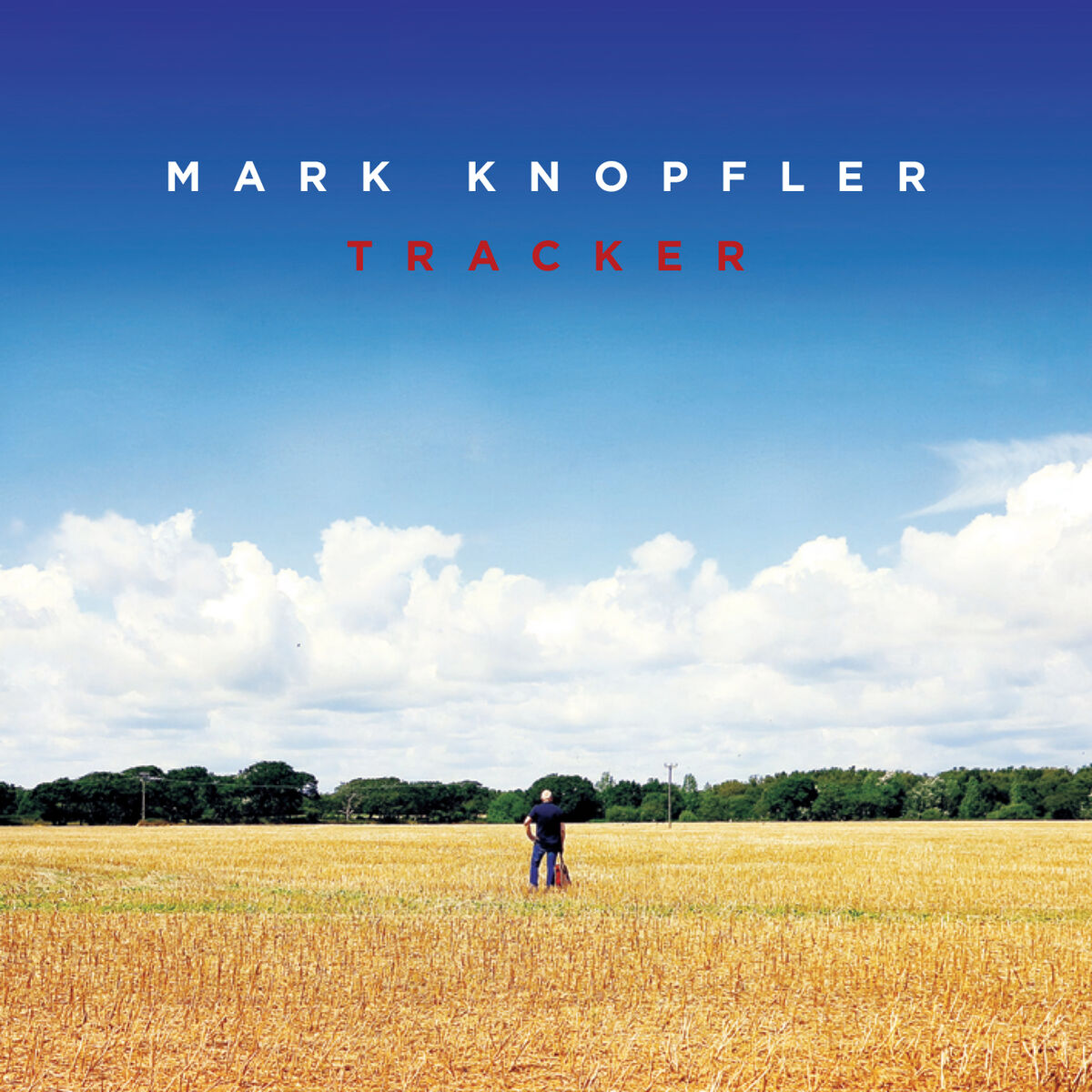
The title Tracker also reflects this way of working. Knopfler describes himself as someone who is constantly tracking down ideas and subject matter, investigating a story from different directions and sometimes even tracking backward through time. That connection with time becomes increasingly important as he grows older.
British Grove and the Importance of the Band
Knopfler describes British Grove Studios as a special place to work. He built the studio over several years and sees it primarily as a place where music is recorded rather than written.
The documentary reveals how important the musicians around him are to the final sound. Sometimes Knopfler works alone with a guitar and develops a simple musical map. On other occasions, he brings the entire band into the studio and allows the musicians to shape the arrangement together. For him, both approaches are exciting.
The band can introduce unexpected details that were never part of the original composition. A laugh, a musical response, a rhythm, or an unusual instrumental idea can suddenly become part of the finished recording.
That spontaneous interaction is one of the reasons Knopfler enjoys recording with experienced musicians. He describes it as a privilege to watch great players working together and to be part of that process.
The Stories Behind the Songs
One of the documentary’s greatest strengths is the way Knopfler connects individual songs with real people, literature, memories, and experiences.
“Beryl”, for example, was inspired by British writer Beryl Bainbridge. Knopfler became fascinated by her literary career and by the fact that she had repeatedly been shortlisted for the Booker Prize without winning it during her lifetime. The song became his way of exploring her story and the cultural world surrounding her work.
Another track, “Basil,” reaches even further back into Knopfler’s childhood. As a teenager, he worked as a Saturday afternoon copy boy at the Evening Chronicle in Newcastle. There he encountered poet Basil Bunting, an older and rather eccentric figure who left a lasting impression on him.
Years later, Knopfler transformed that memory into a song about the difference between youthful confidence and the perspective that comes with age.
The documentary makes this connection especially fascinating because Knopfler can remember himself as the young man he once was while also understanding the world from Bunting’s perspective.
Literature as a Source of Music
Reading has always played an important role in Knopfler’s songwriting, and Tracker provides several examples. He explains that books and characters sometimes collide with whatever he is experiencing at the time. When those two things meet, an idea can suddenly appear.
Knopfler describes this process almost like a creative chain reaction. One artistic idea produces another, which can then become a song. The finished composition eventually leaves the studio and begins influencing listeners in ways the songwriter could never predict.
This idea connects strongly with Knopfler’s earlier work. He references songs such as “Sultans of Swing” and “Telegraph Road” as examples of compositions influenced by things he had read.
Characters, Loneliness and the Human Side of Tracker
Several Tracker songs focus on characters living complicated or isolated lives. “River Towns” is one of the clearest examples. Knopfler drew inspiration from American writer Reese Davies and the loneliness he sensed in the stories of people living far away from home.
He remembers an experience from his own younger years that gave him a similar feeling. After a Christmas performance in Cornwall, he once hitchhiked home through a snowy landscape and found himself standing alone on a motorway slip road with almost nothing around him.
That memory helped him understand the emotional world behind the character in “River Towns.” For Knopfler, writing a convincing character requires finding something within yourself that connects you to that person’s experience.
The Guitars and Musical Details Behind the Album
The documentary also offers fans some wonderful musical moments. While discussing “Lights of Taormina,” Knopfler demonstrates the 1964 Fender Stratocaster he used for the song’s slide-guitar parts.
The same guitar had previously appeared on his Sailing to Philadelphia album, but Tracker gave it another life.
Knopfler explains that he often approaches these performances with a mixture of preparation and improvisation. He may know the basic direction of a part without knowing exactly what he will play until he begins recording.
That combination of experience, instinct, and experimentation is central to his guitar style.
Tracker – A Journey Through Memory
By the end of the documentary, Tracker feels like much more than another solo album. It becomes a collection of stories about writers, musicians, travellers, lonely characters, old friends, young ambitions, literature, and memories.
Knopfler also talks about touring and the joy of taking his songs out to audiences. For him, the complete creative cycle is what makes music so rewarding: writing a song, recording it, and eventually playing it for people.
His description of seeing emotional reactions from audiences reveals how much that final stage still means to him. For a musician, creating something is only the beginning. Once a song reaches listeners, it develops another life.
Watch “Tracker” – The Official Documentary
Down below you can watch the full documentary. It runs for 23 minutes and 4 seconds and was officially published on March 24, 2017.
The film was directed by Tom Bird, edited by Guy Morley, and features Paul Sexton as interviewer, with Oli Russell responsible for lighting and camera.
For anyone interested in Mark Knopfler’s songwriting, guitar technique, studio work, literature, and the stories behind his music, this documentary is essential viewing.
It offers something that a traditional album review cannot: the chance to hear Knopfler explain his own creative world while demonstrating parts of the songs on guitar.
Watch the documentary below and discover the stories, characters, ideas, and musical decisions that helped shape Tracker.


Facebook Comments